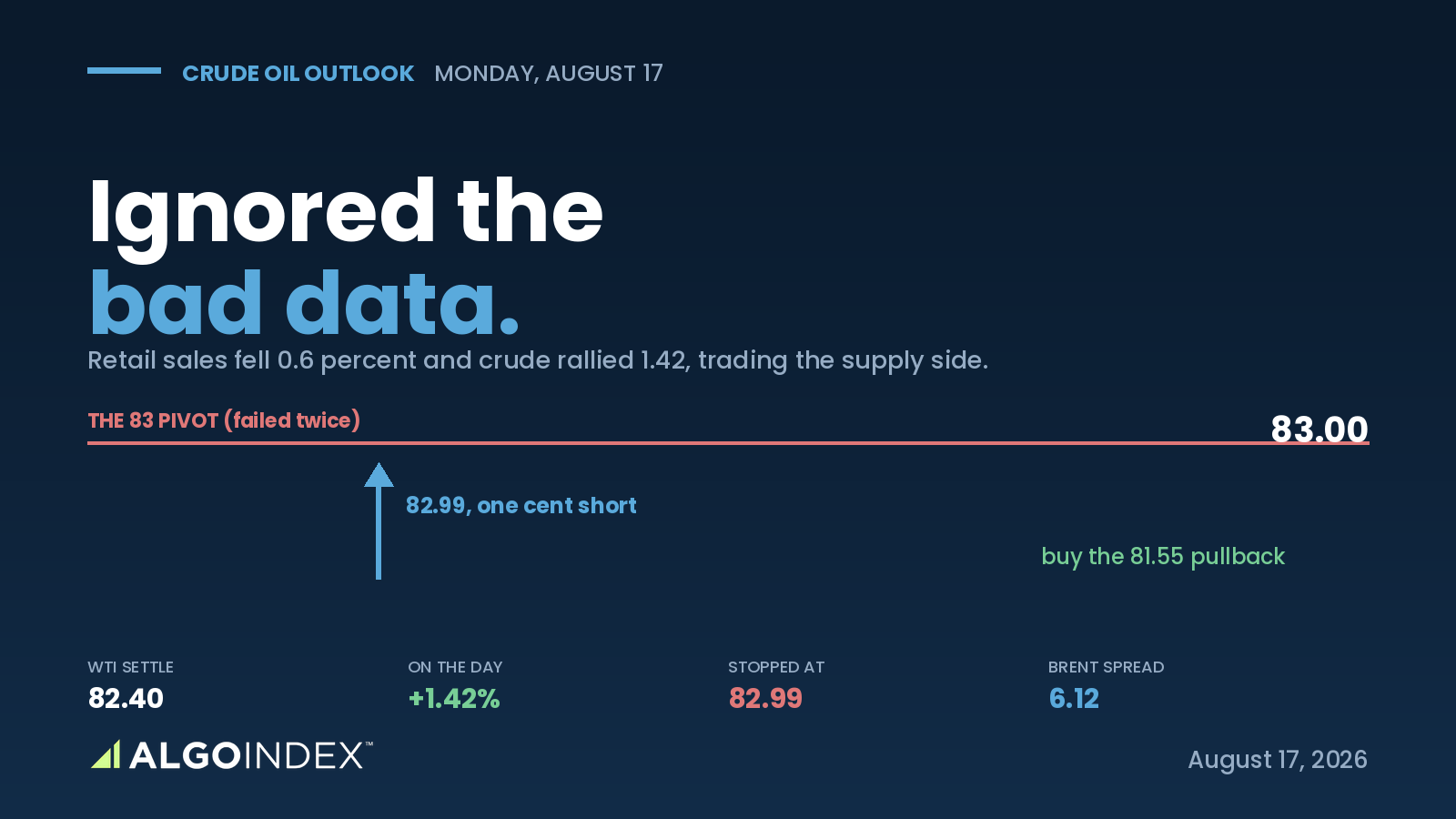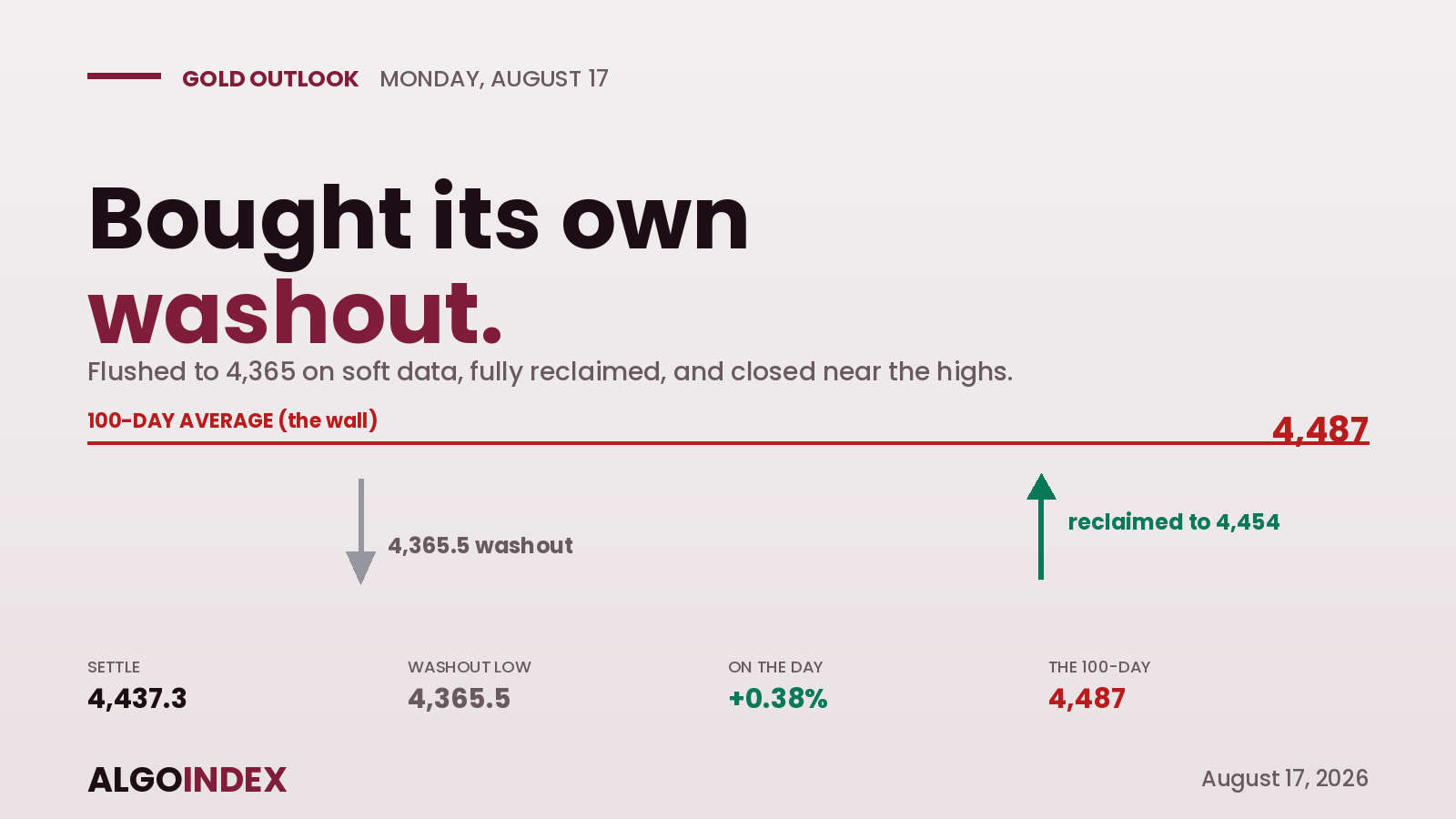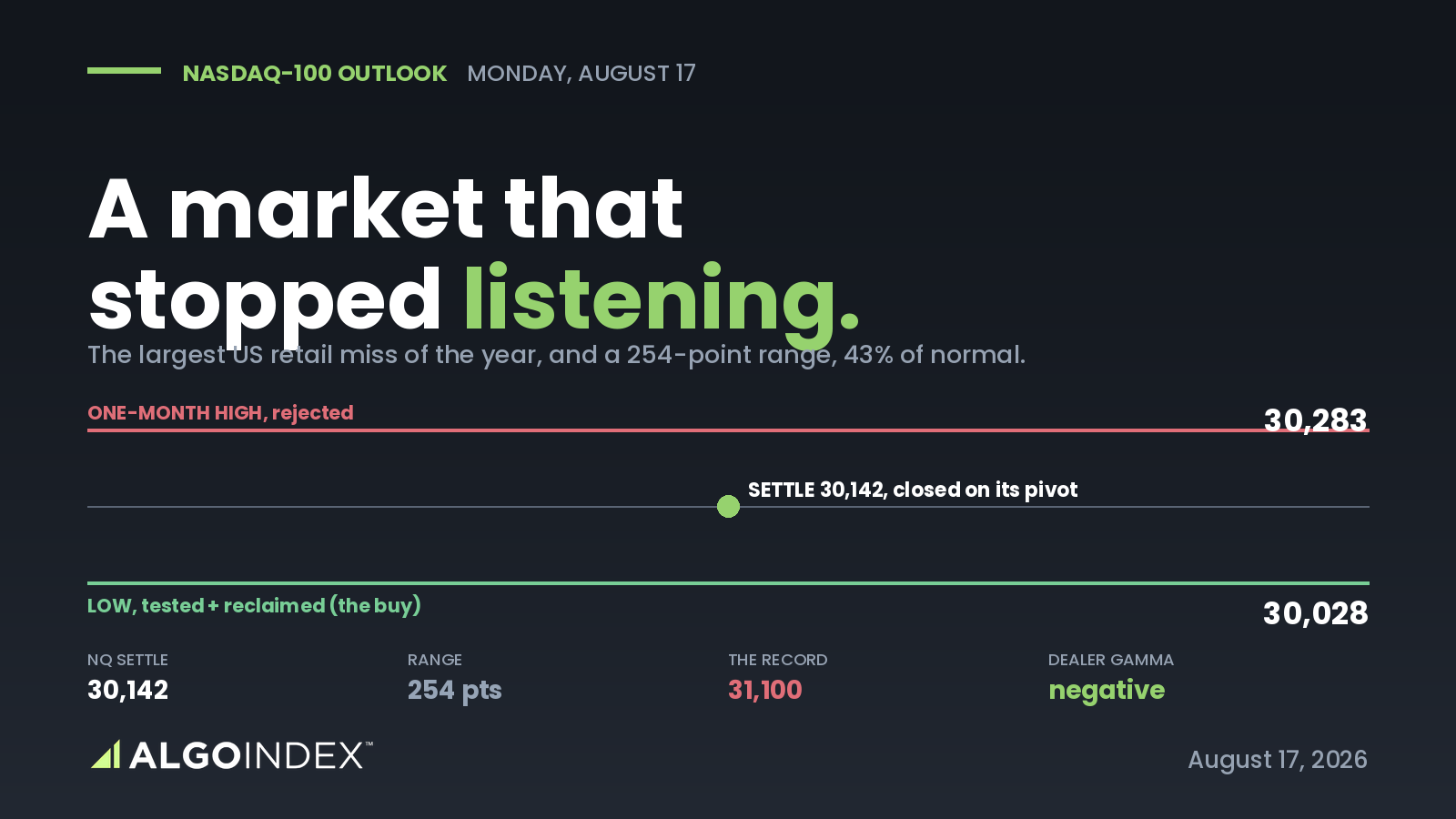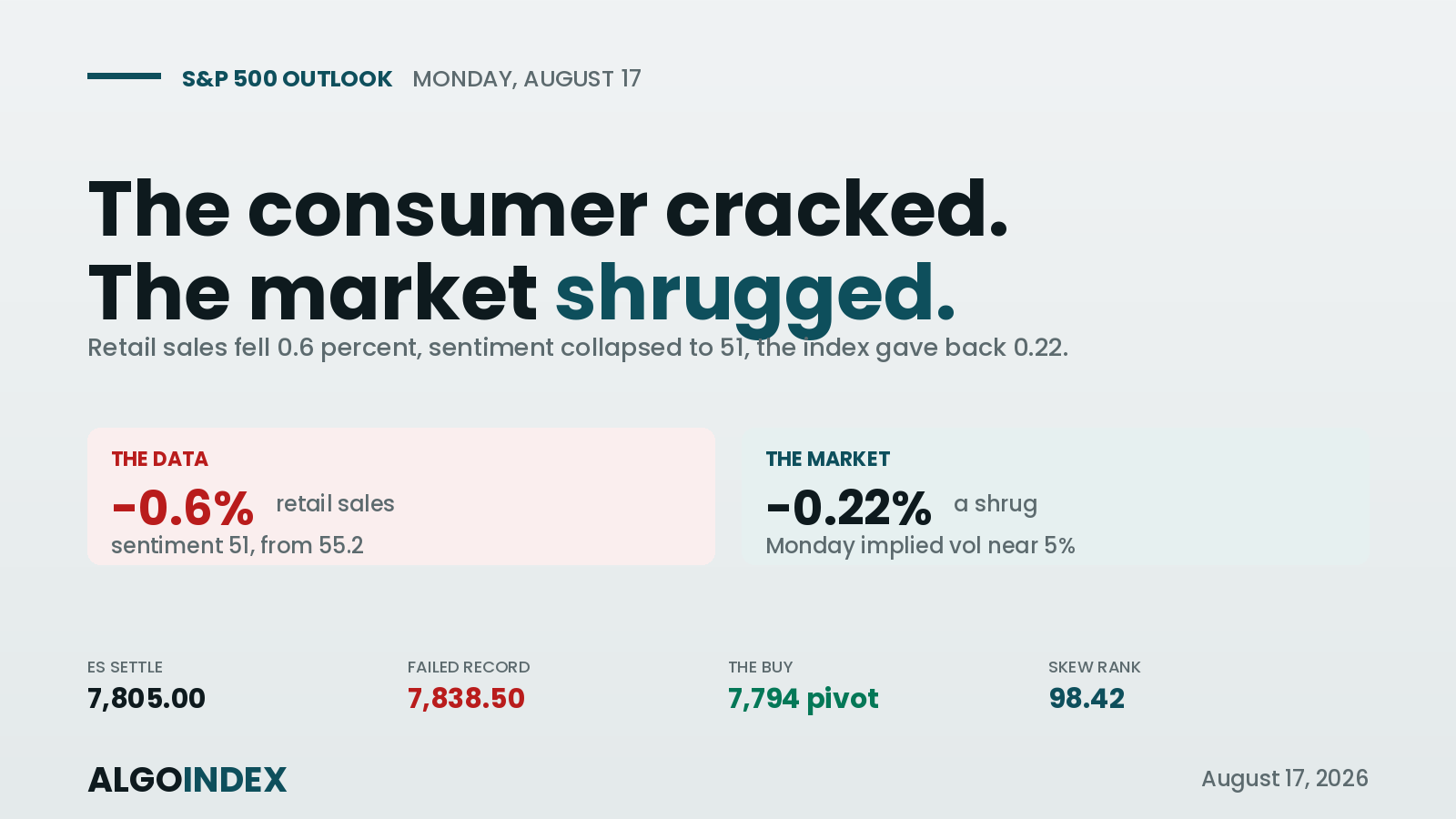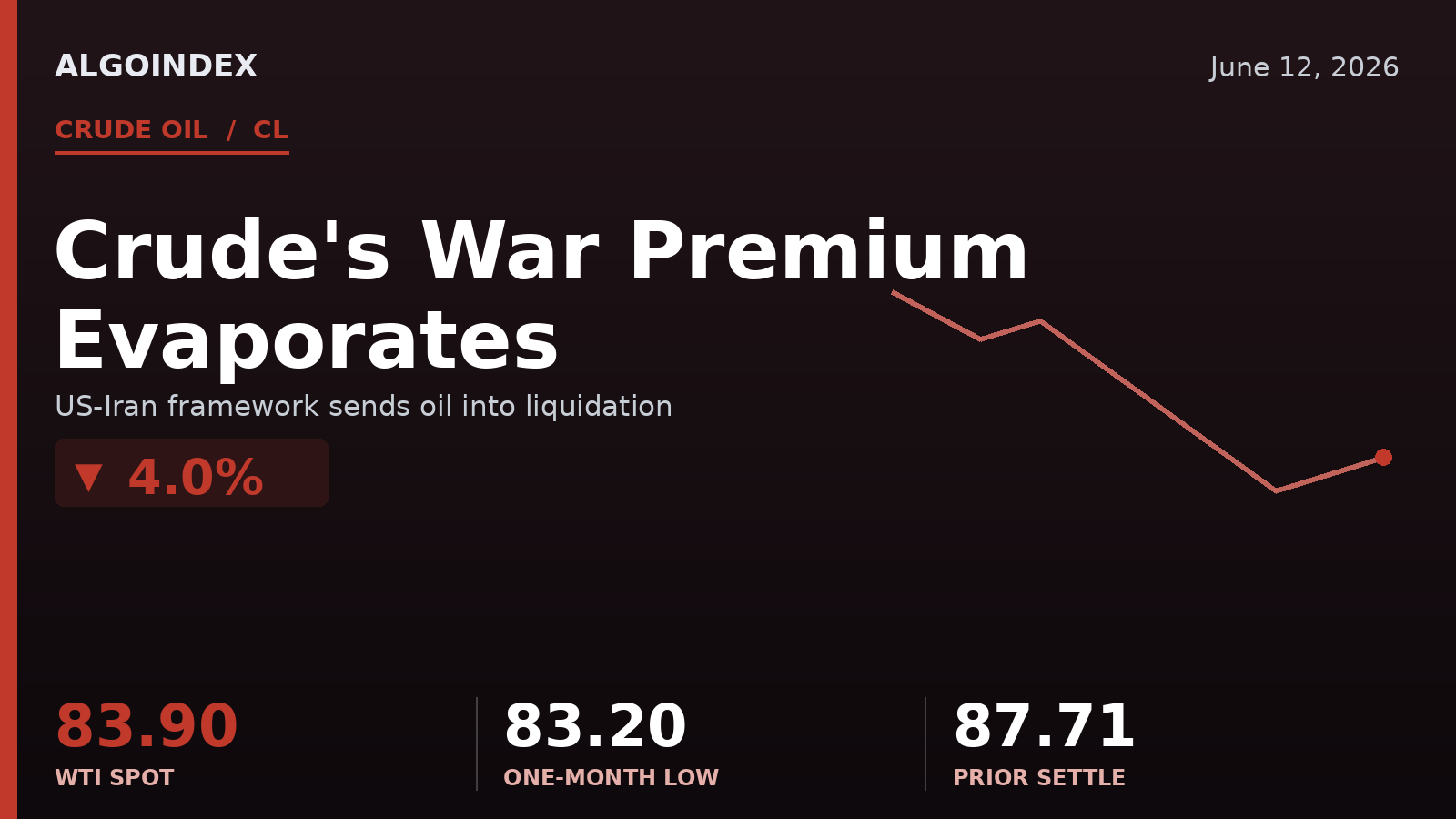
Overnight, crude oil gave back nearly four dollars in a single, news-driven slide, and the move had almost nothing to do with the charts.
West Texas Intermediate settled the prior session at 87.71, opened Globex lower at 86.64, tagged a marginal high of 86.98, then slid in a near-uninterrupted line to 83.20 as headlines crossed describing a framework agreement between the United States and Iran that could be signed as soon as Sunday in Geneva. The contract now sits near 83.90, down about 4 percent. This is not a technical drift lower. It is a direct repricing of geopolitical risk.
The reported memorandum would reopen the Strait of Hormuz to normal shipping, cancel oil sanctions on Iran, release frozen funds, and pull United States forces back from the area around Iran. In one move that de-escalation threatens to drain the war premium that had pushed crude into the mid-90s and briefly toward 105 over the past month, while raising the prospect of additional Iranian barrels returning to an already well-supplied market. The market is treating both effects as decisively bearish, and that is the entire story of the session.
Momentum lower, but stretched thin
The structural tension into today is between momentum and exhaustion. The short-term moving-average stack is aligned lower, with price beneath the 5-day at 88.26, the 20-day at 93.32, and the 50-day at 91.94. The 20-day has fallen 13.3 percent in the deflation of the spike. Yet price remains above the 100-day average at 82.08 and far above the 200-day at 70.80, which means this violent sell-off is, for now, a giveback inside a still-intact longer-term uptrend. The 100-day at 82.08 is the line in the sand for that thesis.
The oscillators say the same thing in a different language. Relative strength sits at 32.6 on the 9-day and 42.6 on the 20-day, weak but not yet washed out on the longer windows, while the stochastics are deeply oversold, with raw readings near 6 percent. The directional system shows a low trend-strength score, the profile of a sharp impulsive move rather than a mature, established downtrend. Crowded long liquidation into a stacked support shelf is exactly the setup that produces sharp short-covering bounces.
A supply story, start to finish
Supply is the heart of the move. A framework that cancels sanctions and reopens the Strait both removes the disruption premium and threatens to add meaningful Iranian export volume back to global balances over coming months, on top of an oil-producer group that has been gradually restoring barrels. There is no domestic inventory print today; the weekly stocks report lands the following Wednesday, so the supply narrative is entirely policy and headline driven. Geopolitics does still cut both ways, with India having summoned the United States deputy chief of mission over a strike on commercial vessels off the Oman coast, a reminder that regional shipping risk has not vanished, but the market is weighting de-escalation far more heavily than that residual tail.
The one scheduled domestic set-piece is the preliminary consumer-sentiment survey at 10:00 ET, with its one-year and five-year inflation expectations, which can move the dollar and, indirectly, dollar-denominated crude. Lower oil prices are themselves disinflationary, a second-order feedback worth noting into next week's central-bank decision. The cleaner read on whether this repricing sticks will come from the term structure: a flatter, less-backwardated curve would confirm the bearish supply story is being taken seriously rather than treated as a one-session reaction. The same de-escalation lifting equities is the subject of today's S&P read, and it follows directly from yesterday's spike-and-fade.
The trade, and the three ways the day breaks
With a bearish bias of moderate conviction, the higher-probability structure is to sell a rally that stalls in the 85.00 to 85.60 retest zone rather than chase into the stacked base. The first objective is 83.90, then the 83.20 low, then the 100-day average at 82.08. A reclaim and hold above the broken-support shelf and overnight high near 86.70 neutralizes the bearish gap, and a sustained move back above the 87.71 prior settle invalidates the idea outright. The discipline that matters most is standing aside through the 10:00 ET data and through any Iran signing or collapse headline, since the first violent candle of a single-event news spike is not a trade.
Range and stabilize (40%): 83.20 holds, choppy 83.2 to 86.0 consolidation while the market waits on the signing.
Relief squeeze (15%): a walk-back or escalation headline drives a short-cover rally to 86.6 to 87.7.
A month of war premium can take weeks to build and a single weekend to disappear, and the market just decided which way it is betting.
See how AlgoIndex turns this kind of level-gated read into systematic signals.
View pricing →